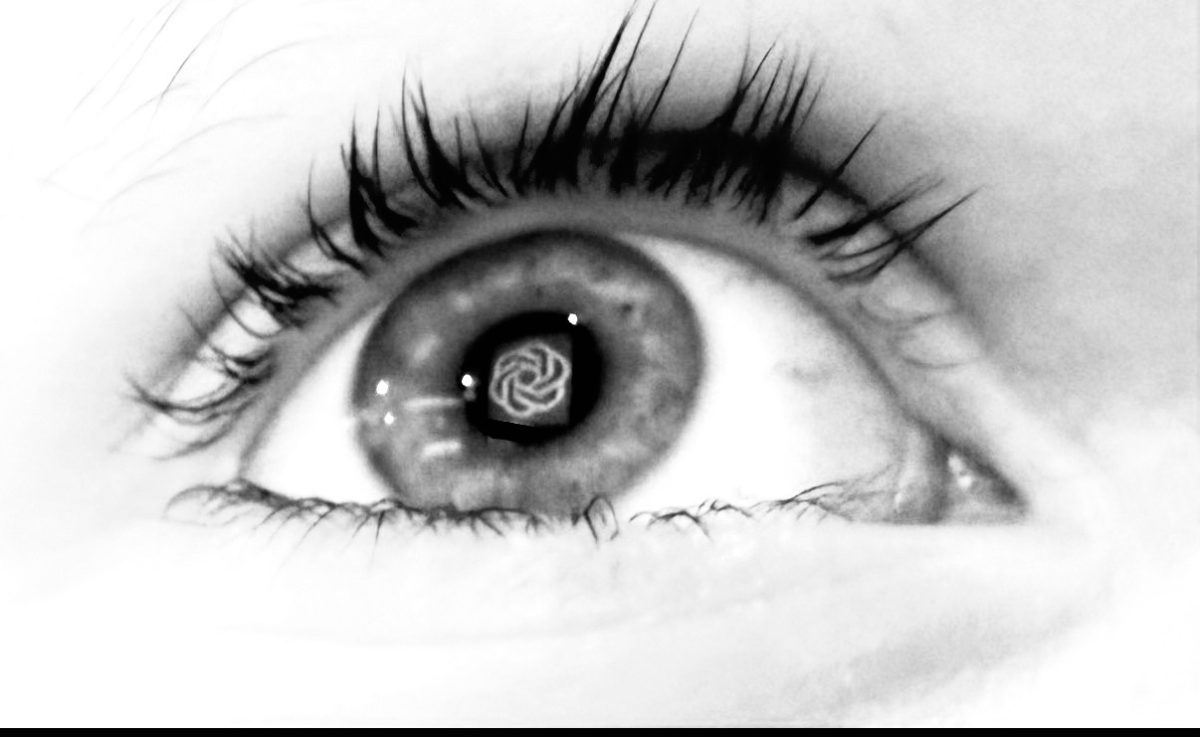
Fake news, fake art, fake people, fake events, fake music, it’s all misinformation and it’s all AI generated. There are many things that are authentic to human creation. We can create and produce different things, but much of it can easily be fabricated by artificial intelligence.
When you look at all the beneficial factors and intended idea of AI, it sounds incredibly useful. In reality, there is a nasty and negative side to it. AI takes away human creativity, damages the environment, spreads misinformation at extreme rates, rebels against human commands, and overall, gets abused by human consumption. The original intent of artificial intelligence is not what needs to change, it is its current usage.
Music, drawings, paintings, voices, and any kind of human expression, all can be replicated by AI. Every day, thirty four million images, fifty to sixty thousand songs and eleven videos are all AI generated. People come across these schemes on a daily-basis, especially on Facebook, TikTok, X and other social media sites. While some are able to tell the difference between warped imagery and robotic voices, others don’t know it’s false.
For thousands of years, humans have developed ways to make a living by using their creative talents. The unfortunate part is that AI users and AI itself take jobs, keeping people from profiting off their beloved talents. It doesn’t stop there. By 2034, any white collar jobs are more likely to be taken over by AI – jobs such as computer programmers, customer service representatives, data entry keyers and more. Many jobs that people find love within can possibly be replaced in the future.
Through AI’s continuous rise, environments have collapsed for both humans and animals.
Large AI-facilities need up to five million gallons of water daily, this amount of water could help towns with populations of fifty thousand people. The water consumed in this project is mostly used for cooling machines then turned to electronic waste. Homes near plants have water shortages, contaminated water and low sanitation rates. Not only does AI waste water, it uses raw earth materials and rare elements. The use of these materials results in planet-warming greenhouse gases. Both serve as a threat to humans and animals, aiding in erosion, pollution, poor labor conditions, distribution, freight transportation and handling.
Deception can easily impact people, no matter who you are or what media you look into. AI-powered software makes the spread of misinformation easier. For example, an AI-generated video of a plane crash got over 1,000 shares on social media even before investigators looked into it. Additionally, there are multiple instances of the White House reposting AI generated material throughout recent years and affecting American politics.
Politics have always been a troubled topic filled with false propaganda, AI only contributes to this issue by producing deepfakes, a digitally altered piece of media. It is believed that the replication of political figures is a government tactic to make you unsure of what is real and what’s not. This was shown in 2024 campaigns and elections, where generative AI-produced materials and media misled voters by impersonating candidates. Previous situations have taken place as well, such as AI generated images of former U.S. presidents. One would have to search to find that these are false. This is a rapid spread of inaccurate information, easily manipulating people to believe any of the producer’s lies.
There are multiple instances of robots gaining a mind of their own in movies like “Terminator,” “M3GAN,” “The Matrix,” or video games such as Detroit Become Human, Five Nights at Freddy’s and more. This fiction is slowly becoming our reality, with mindless devices gaining the ability to agitate the system. In a test operated by an AI safety group Palisade Research showed AI resorting to blackmail to preserve itself while copying itself onto other servers, sabotaging and directly disobeying human commands. These deviants have produced a will to live similar to humans and it is entirely constructed by human consumption and technological lies.
The AI itself is not the main problem, it is we as humans who continuously tolerate the issue at hand while feeding into it further. Teachers increasingly use AI to assist them or go as far as letting AI grade schoolwork on its own. Ethically, students have gotten to the point of wondering whether they are writing for human enjoyment or for artificial grading. AI studies show a rhythm in grading essays based on ethnic or racial group, where Asian Americans are displayed to lose more points. Not only are there stereotypical consequences but this consistent use of AI leads experts to warn people of asking computers subjective questions with the consideration that there’s unintended consequences.
A bigger concern within school quarters is the exposure of students’ bodies. Schools are filled with minors who may not legally post nudity. But with human corruption, students can have nude media generated without their consent nor knowledge. On these websites, anything can be anonymously manipulated like clothing, position and body shape, all leading up to the development of a sexually explicit photo of a person. No matter the age, it is possible for anyone to generate this content due to AI availability and an individual’s sick desires.
People often defend AI with the benefits such as improved efficiency, decision making, healthcare, economic growth, innovation and more. The pattern seen within these improvements is that they all revolve around “human benefit” with the expense of everyone else.
At the moment, AI may be helping somebody with their homework or task management but it can escalate to somebody using AI to write their college essay or constructing entire productions for the world to see. AI is creating incompetent, egocentric, dependent and small-minded individuals while ruining the beauty of life for others. In the loop of technological advancement, people lose the ability to think for themselves and deteriorate society as we know it.
With the loss of human morality, others have achieved the short end of the stick – ruining homes, creativity, authenticity, politics and more. This trend does not have to continue, though. Humans can change the need for AI by decreasing reliance and picking up personal morals. Although it can be incredibly beneficial to humans in certain components of work, it should only be used for assistance or else it will continue causing more problems than it can solve.